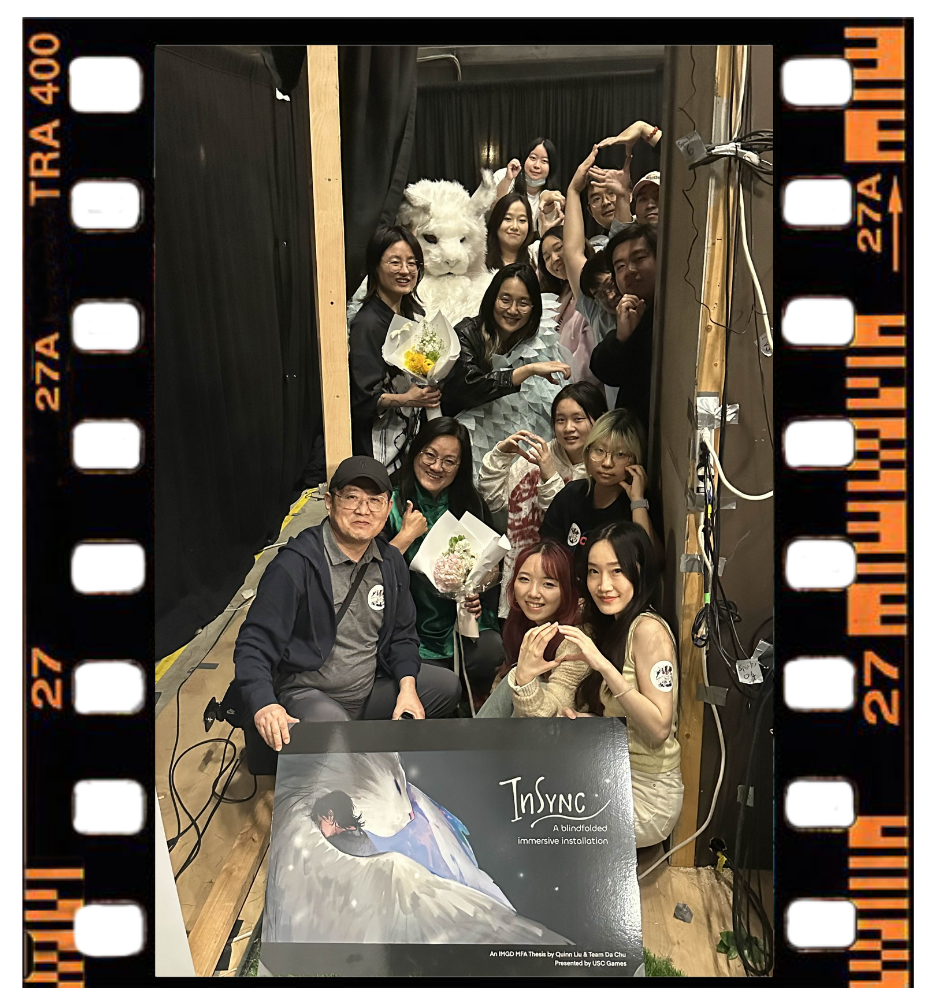
InSync
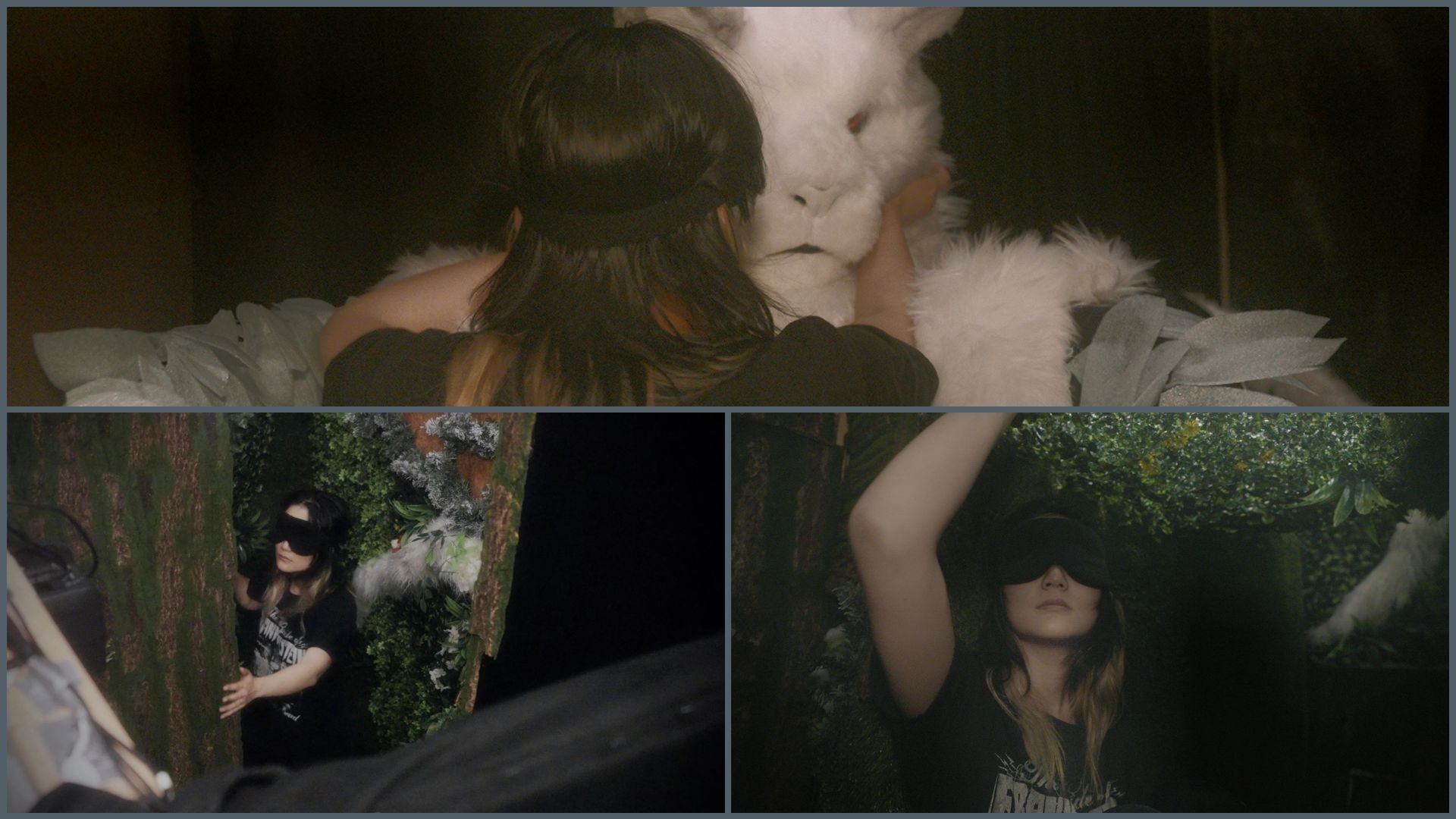
InSync is an immersive physical installation where players, blindfolded and vulnerable, explore a mysterious cave ecosystem to meet a creature named "Omu."
As the Lead UX Designer, my challenge was unique: How do you build a world without pixels? In traditional games, we guide players with light and composition. Here, the blindfold creates immediate subjectivity and insecurity. My goal was to orchestrate a journey that shifted the player’s emotional state from disorientation to deep empathy using only touch and sound.
Role: Lead UX Designer
Team Size: 10+
Genre: Interactive Installation
Timeline: 8 Months
The Design Journey: From Panic to Peace
Phase II: The Vocabulary of Touch
Once players felt safe, they became curious. Test data showed 90% of players craved more tactile variety, noting that their sense of touch was hyper-sensitive in the dark.
The Iteration: We introduced 5 experimental textures and complex routing.
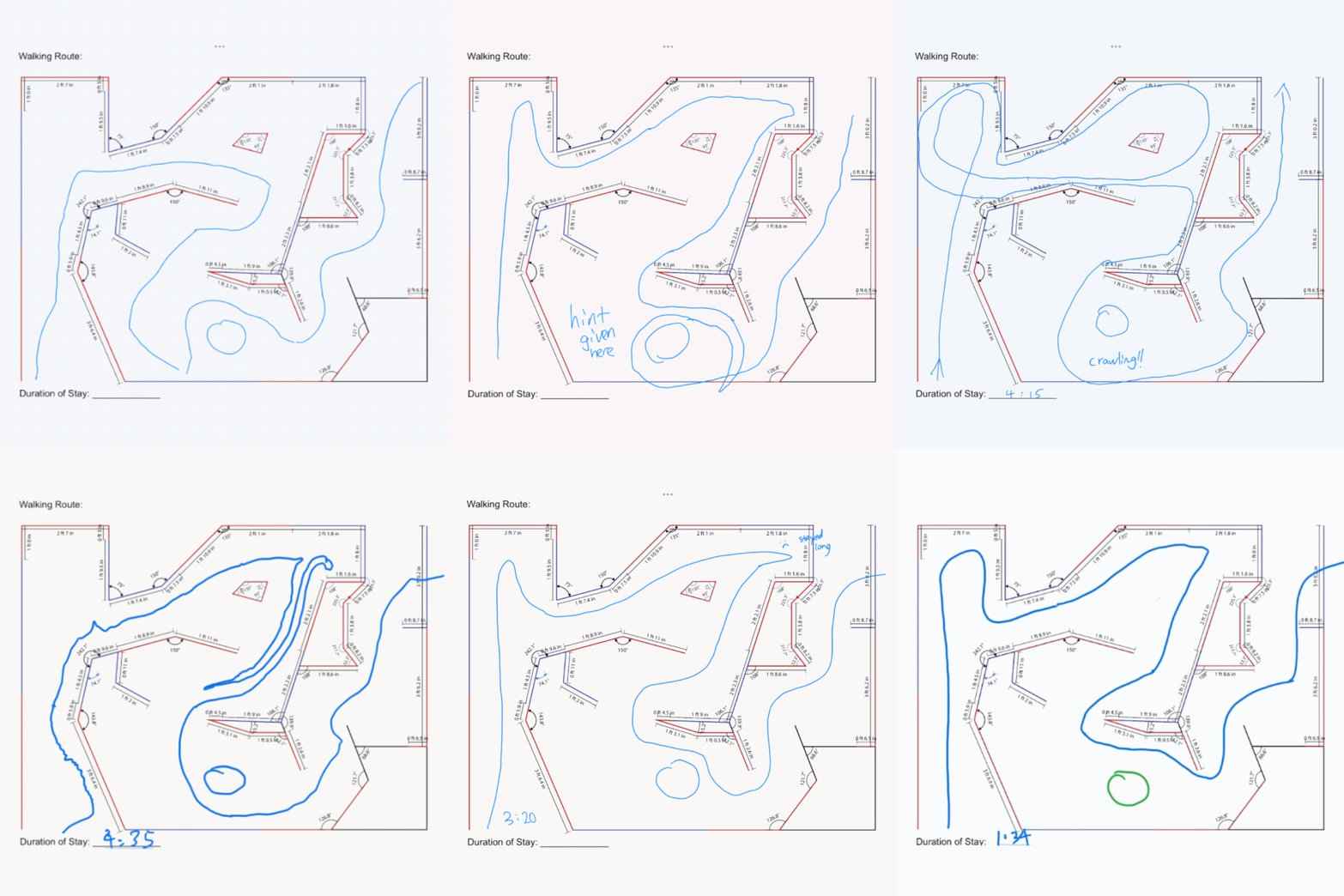
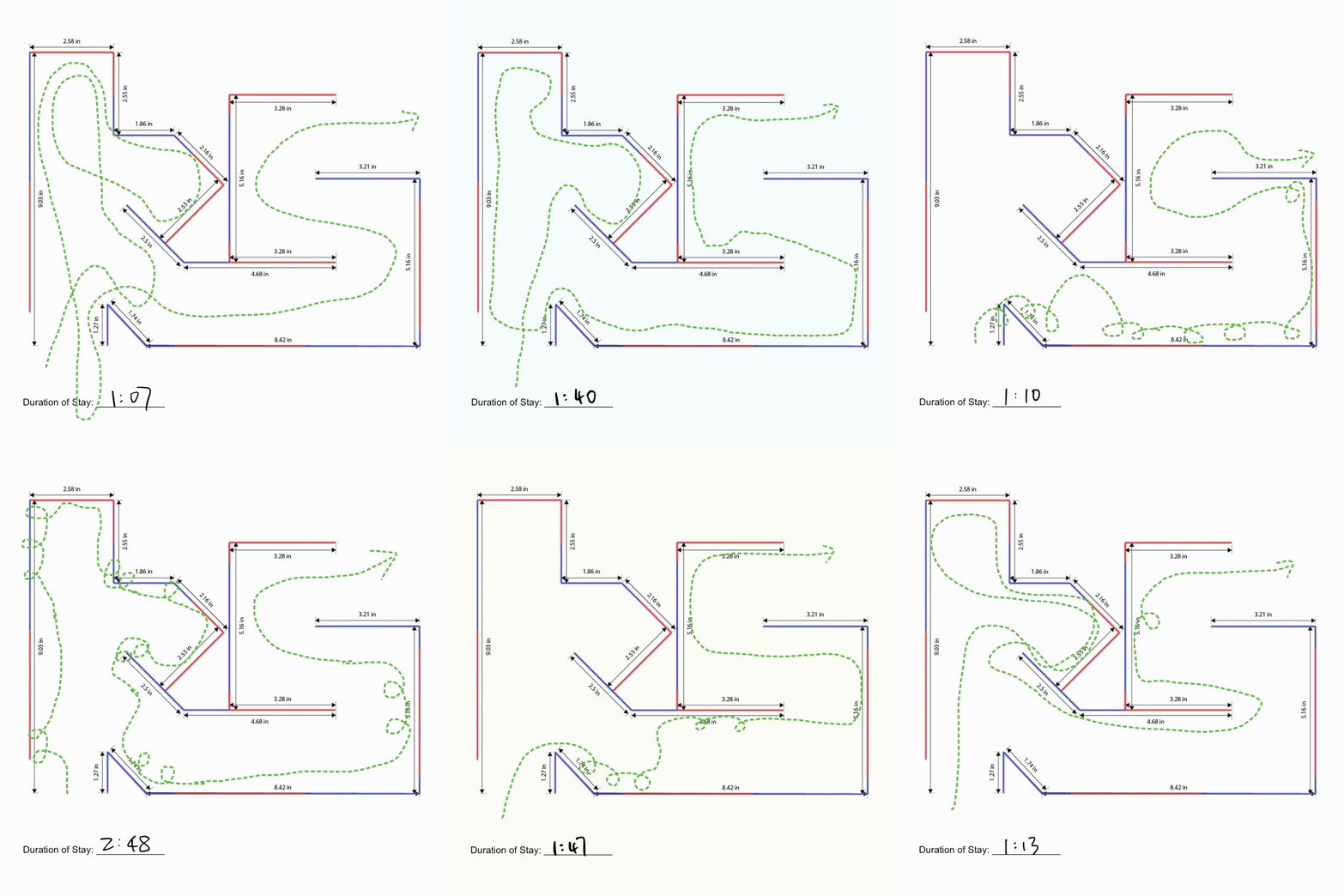
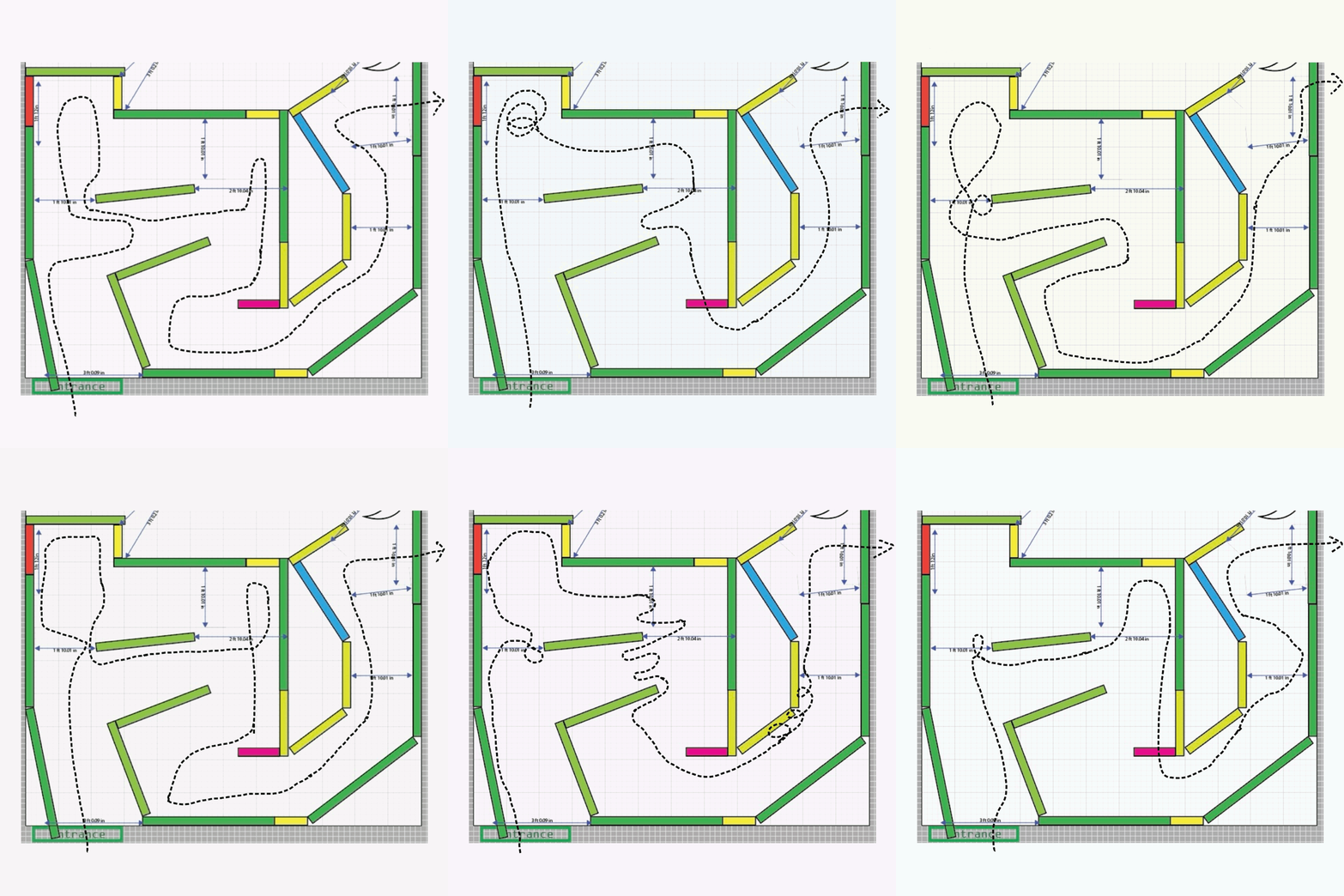
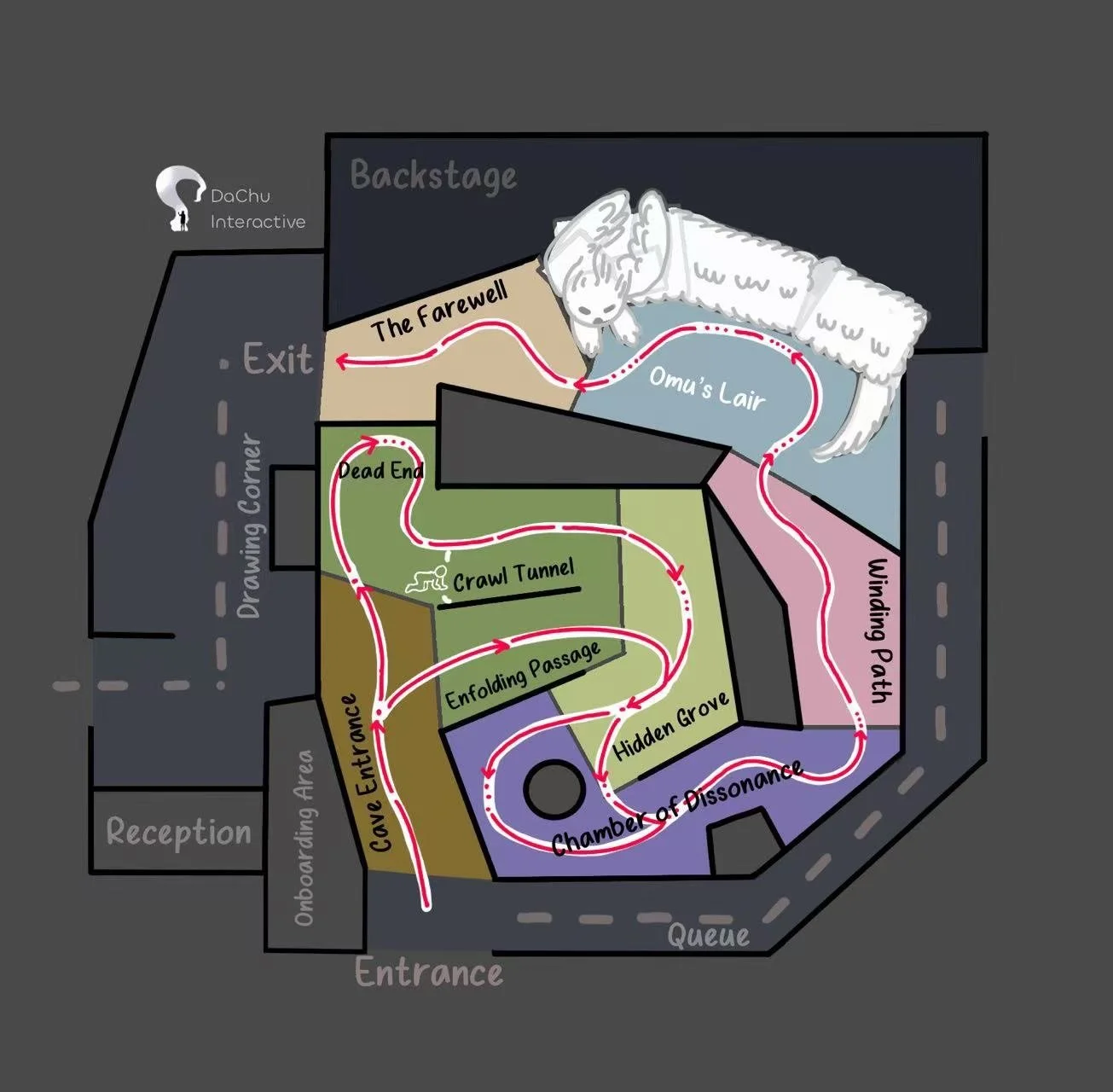
The Result: While engagement improved, 60% of players wanted more agency. We responded by redesigning the layout to accommodate different comfort levels, offering a choice between a traditional walking path and a more adventurous, crawling-based route for players with a higher appetite for exploration.
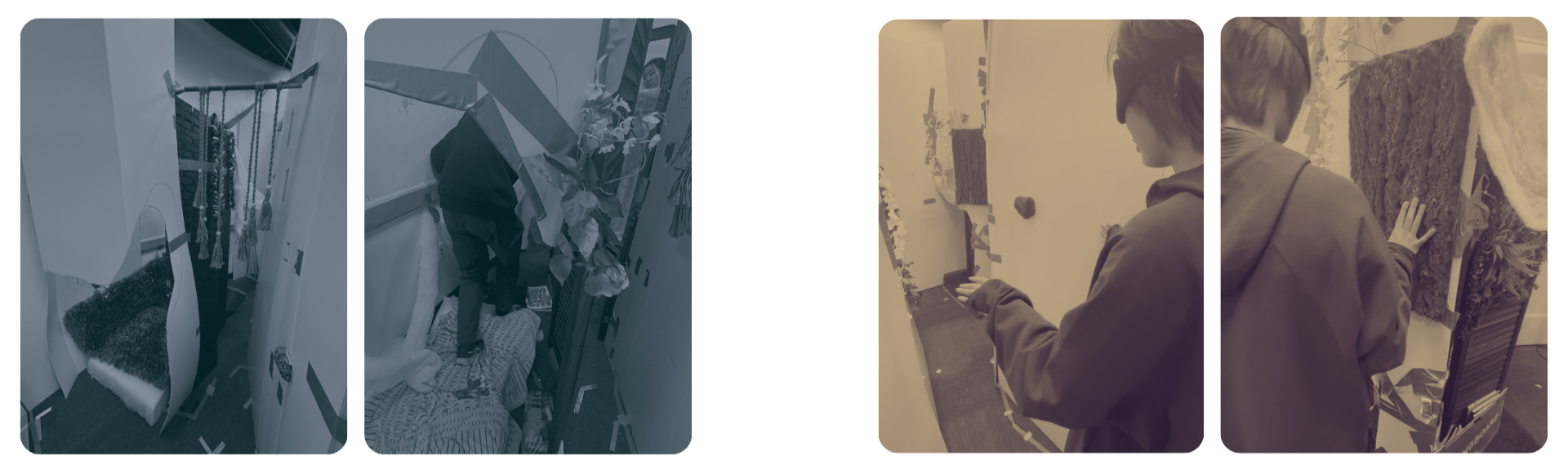
Introducing the second route
What
收集测试者的路线、情绪起伏图、回忆路线图
Why
Identify根据停留时间和路线选择来发现可能的兴趣点、疑惑点
How
并改进路线、在相关地方放置交互元素
Bringing more materials
Phase III: Sparking Empathy (The Creature)
The climax of the experience is the meeting with "Omu."
The Design: We prototyped Omu using soft, plush materials to contrast with the rough cave walls.
The Outcome: 90% of players instinctively petted Omu. The softness communicated "friendliness" without a single word of dialogue, successfully shifting the narrative tone from mystery to connection.
I conducted usability testing with 50+ players, translating qualitative panic into quantitative design solutions.
Phase I: The White Box of Fear
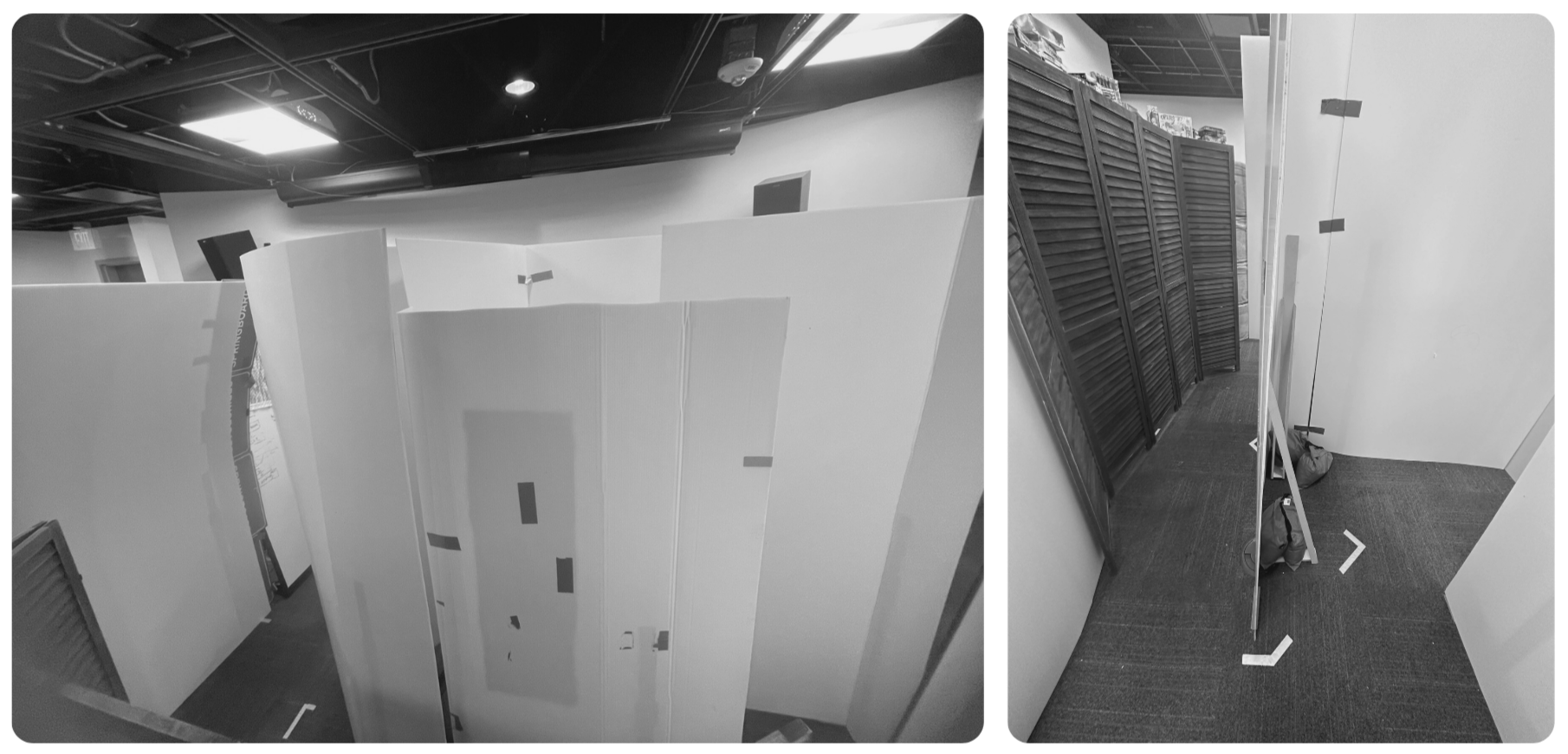
We began with a raw, cardboard maze. The data was a wake-up call: 70% of players felt unsafe.
The Friction: When players stretched out their arms and felt nothing but air, they lost their spatial grounding and panicked.
The Fix: We redefined the spatial metrics. We narrowed most corridors to 1.2 meters, ensuring players could always touch both walls simultaneously. This constant tactile feedback acted as a spatial hug, grounding them in reality.
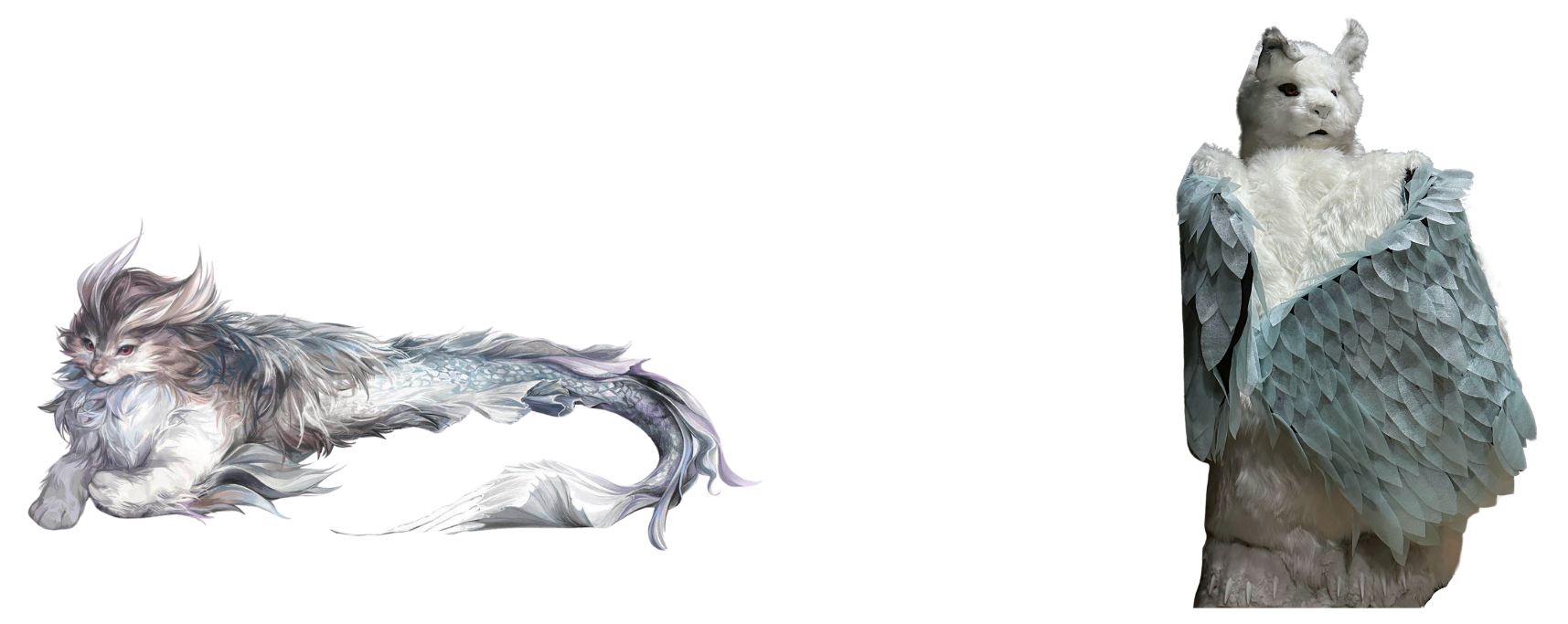
Omu: Early Ideation
Omu: Final Model
Iterations of the Layout
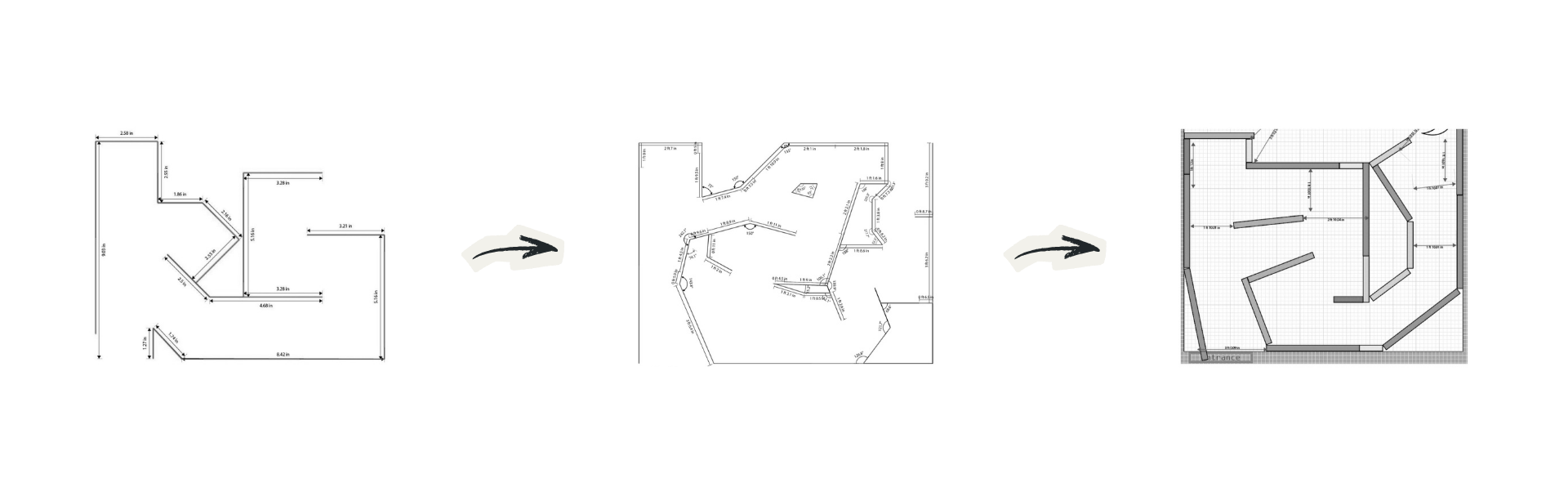
Final Layout
Sensory Mapping: From Texture to Emotion
Standard playtesting wasn't enough for this medium. I developed a specialized Material Association Protocol to ensure our props told the right story.
I blind-tested 20+ different materials with users, asking narrative-focused questions, like:
"If this texture had a personality, what would it be?"
"Where in the world would you find this?"
Key Insight: While some "weird" textures were cool, they triggered disgust or fear in the dark. I made the hard call to cut the edgy materials to protect the emotional safety of the experience, prioritizing consensus and comfort over shock value.
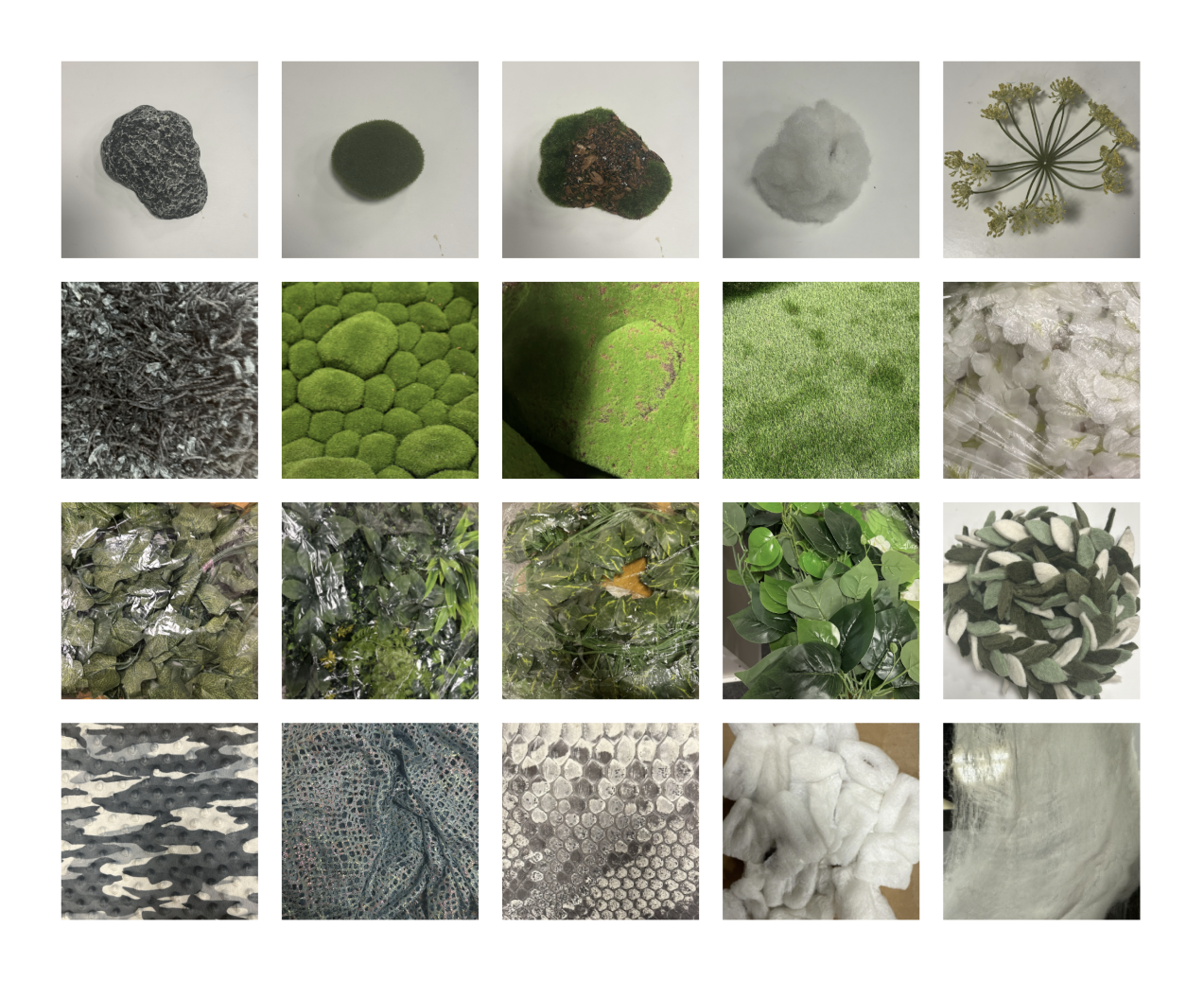
The Impact
By synthesizing player feedback into data-driven refinements as adjusting wayfinding cues and narrative pacing, we achieved a 30% improvement in player immersion scores over the course of development.
95% Positive Ratings at the USC Games Expo.
Fully Booked slots for the entire exhibition.
Emotional Success: Most importantly, players walked out of the cave not just entertained, but having formed a genuine emotional bond with a creature they never actually "saw."
Behind-the-scenes
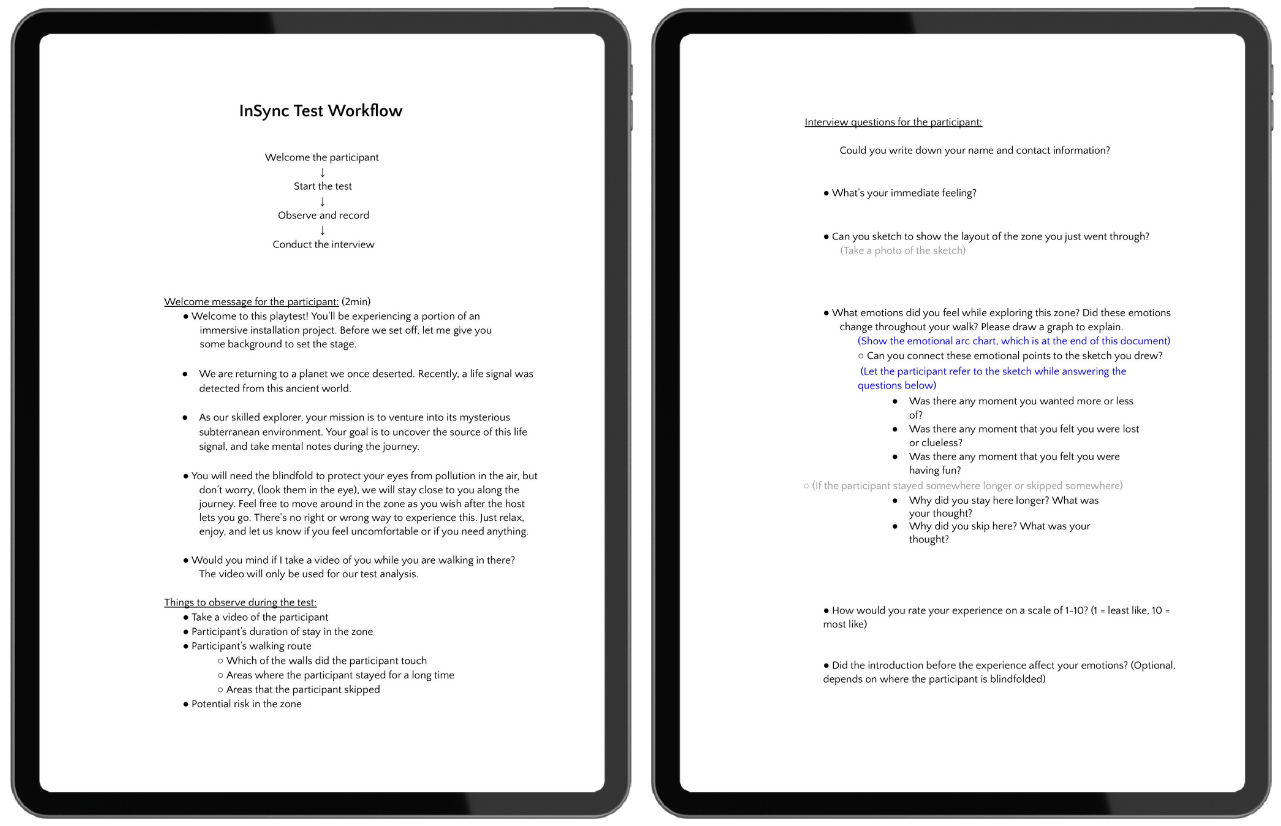
Interview Protocol
The Blueprint of Empathy: My standardized interview script used to capture qualitative nuances in the dark.
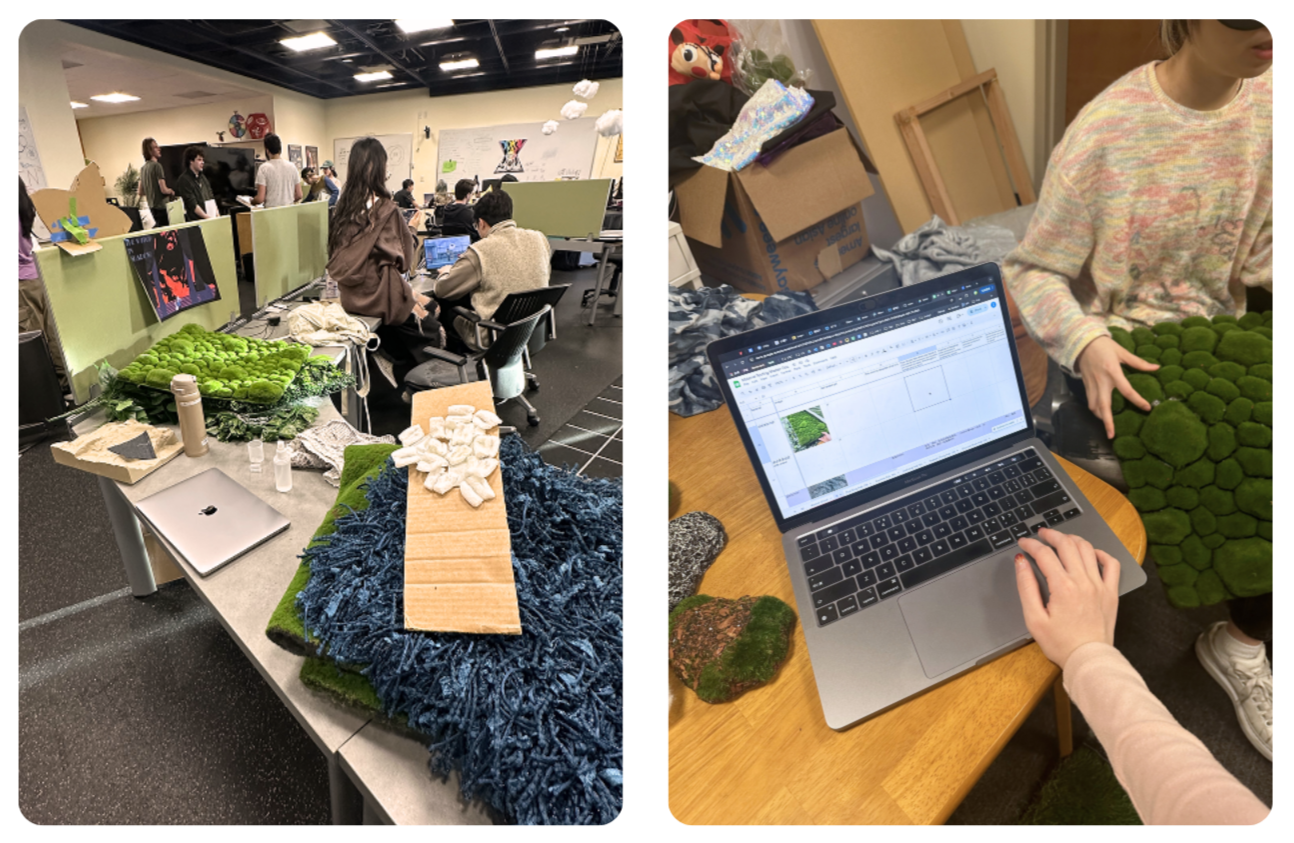
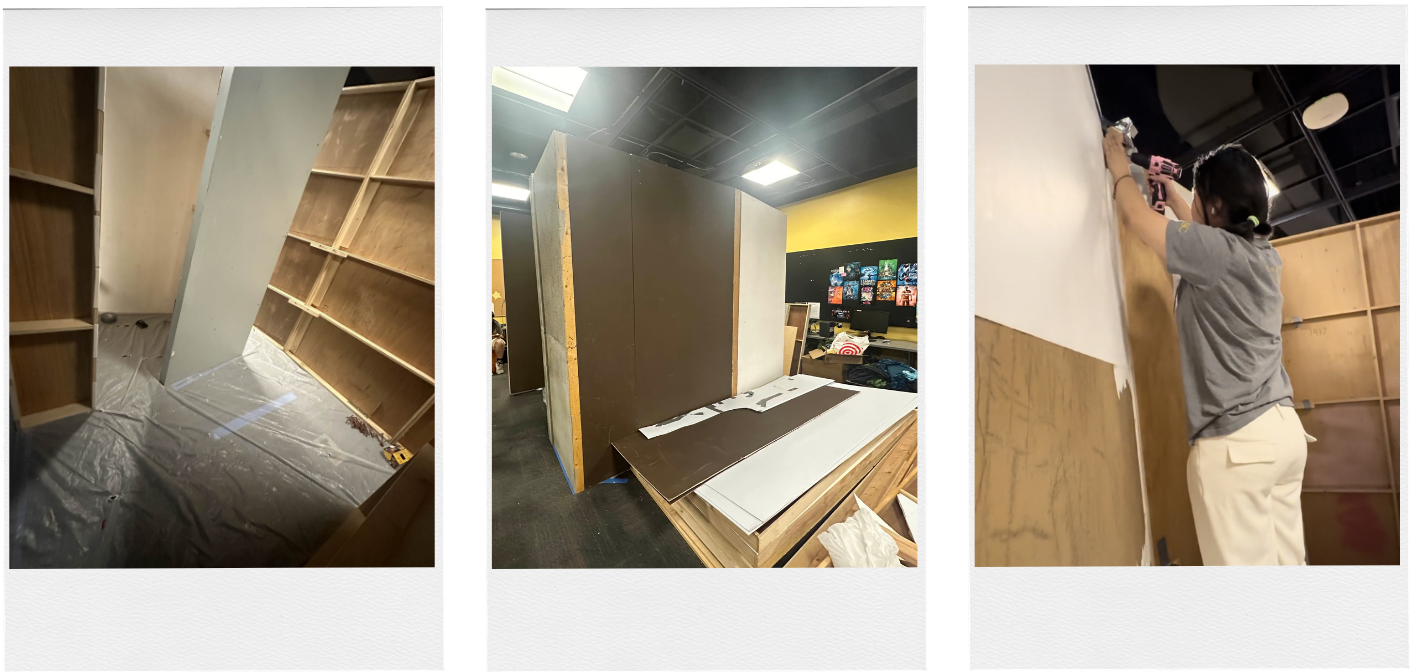
Construction Process
From Sketch to Cave: Translating UX metrics into physical geometry. Every inch of this texture was hand-placed to ensure player safety.
Team Photo
The minds behind the blindness. Grateful for this team that helped turn a dark corridor into a sanctuary!