A Pocket Tailor for Custom Apparel
At Zhifu Tech, we’re bringing bespoke tailoring into the digital age. While our AI handles the precise measurements in the background, my focus was on the front-stage experience: designing a visual-first interface that turns complex suit customization into a delightful journey, ultimately boosting completion rates by 30%.
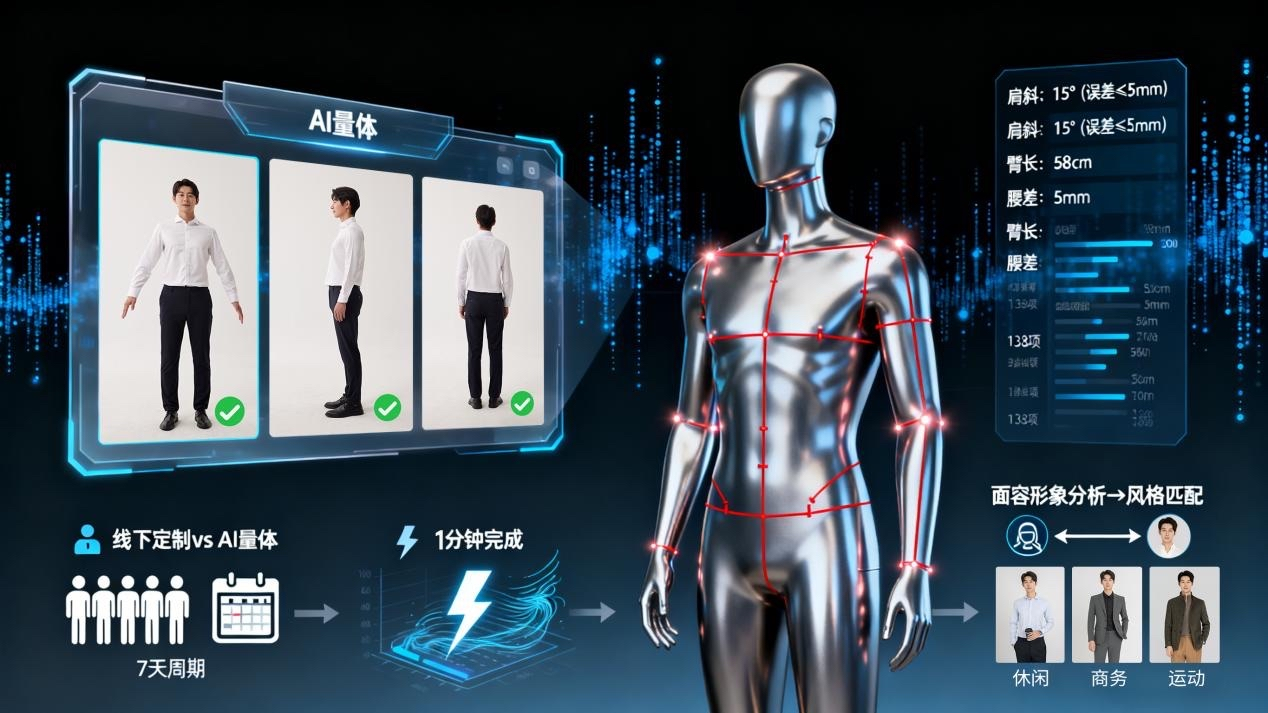
* As this product was designed for the Chinese market, the original interface is in Simplified Chinese. English translations and annotations are provided in the Final Design section for context.
The Challenge: The Paradox of Choice
Too Much of a Good Thing.
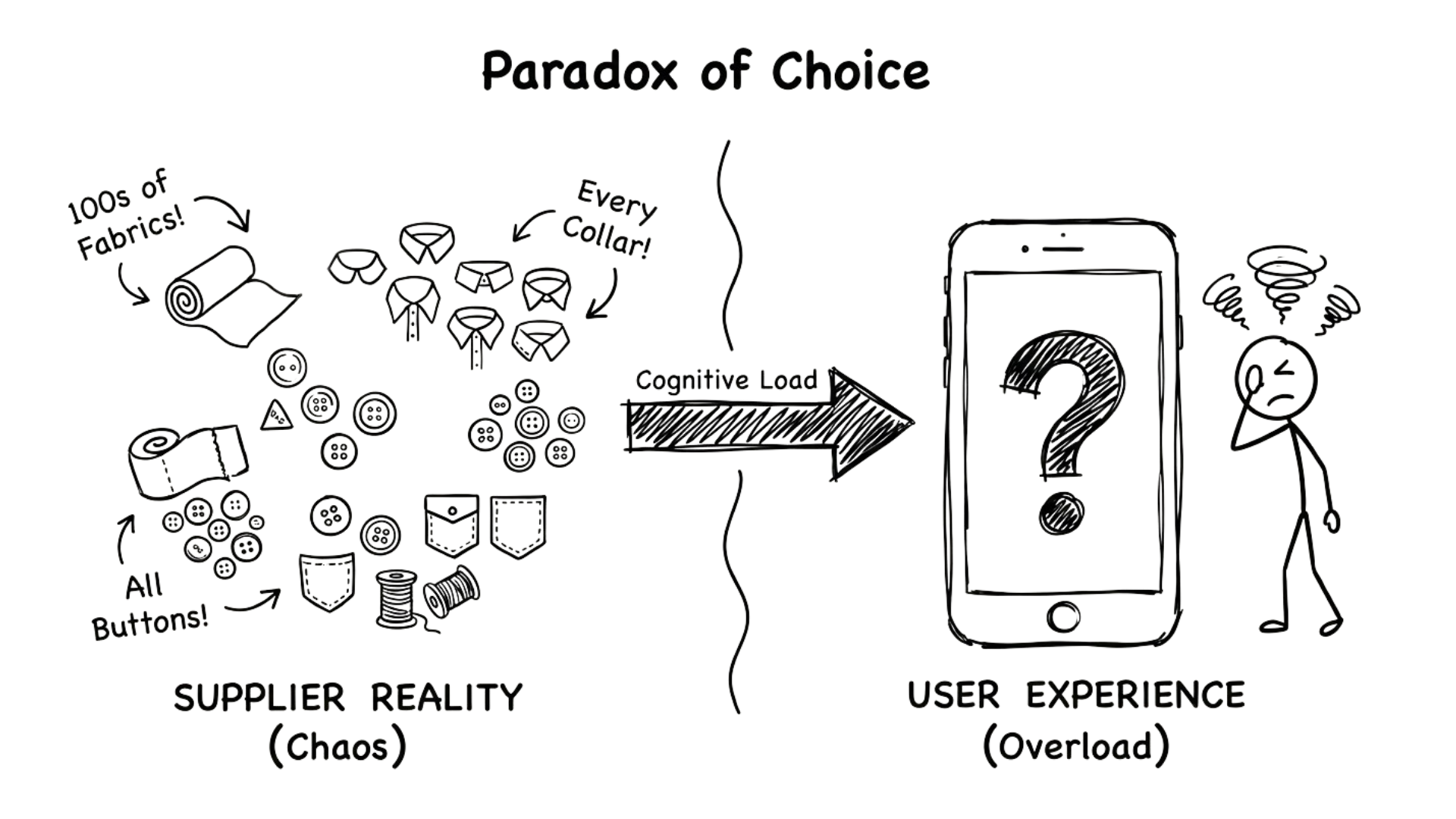
We started excited. Our suppliers could customize everything including fabrics, collars, cuffs, buttons, vent styles... you name it.
But when we tried to shove all these options onto a small screen, we realized we had a problem. We weren't empowering users but paralyzing them. The cognitive load was immense.
We needed to figure out what really mattered.
To cut through the noise, we balanced user desires with supply chain realities. We interviewed working professionals about their customization preferences, and analyzed the pricing structures.
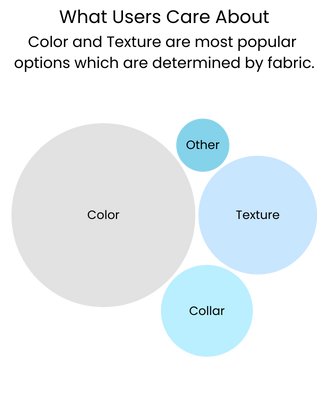
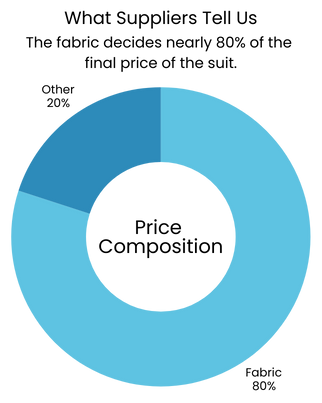
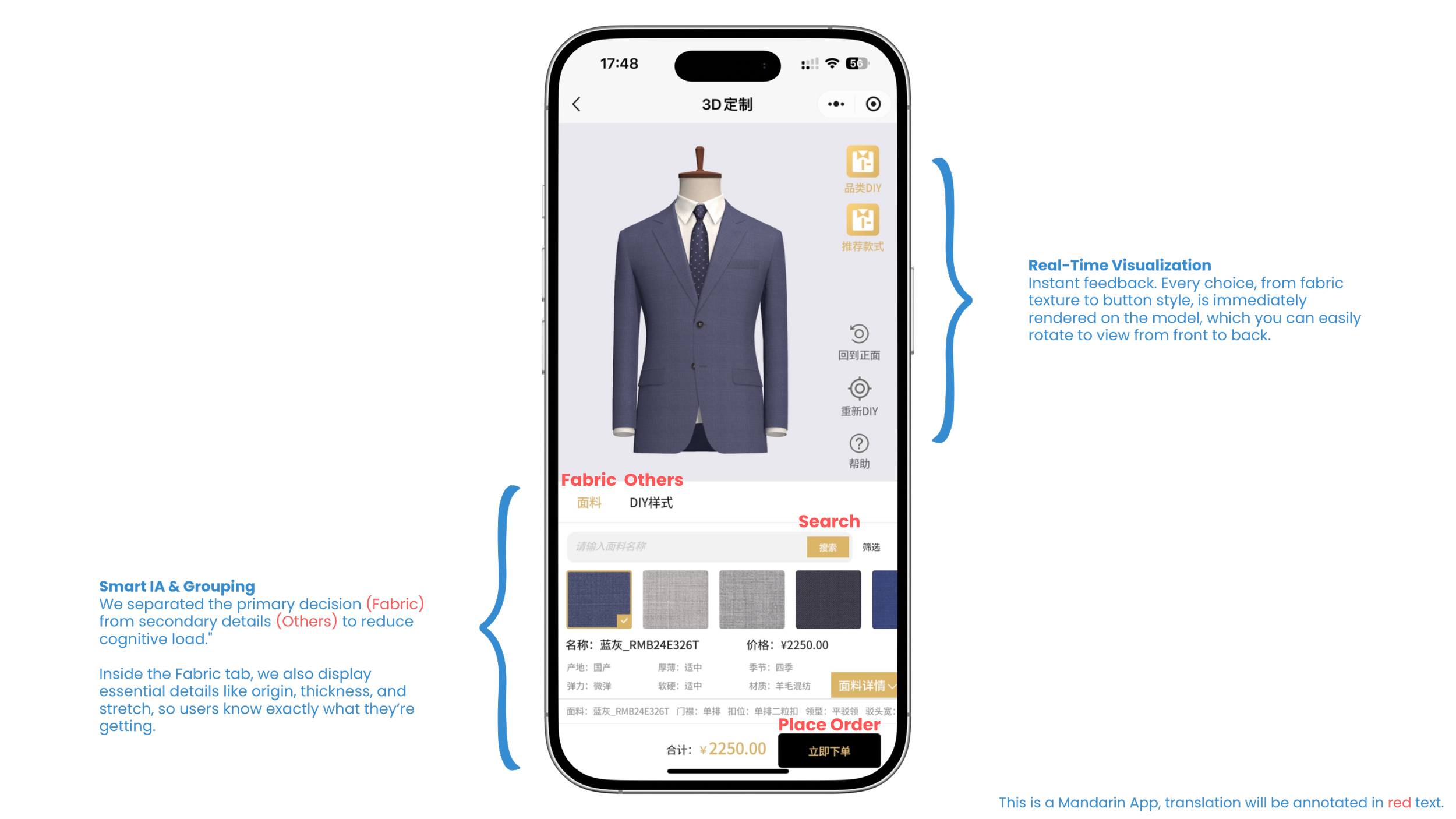
The conclusion was obvious: Fabric is king.
Everything else is secondary detail. We needed to rebuild the hierarchy around this insight.
Our First Attempt (And Why It Failed)
According to the data, we prioritze the fabric option and remove those unpopular.
Initially, we treated the suit in a linear, step-by-step process.
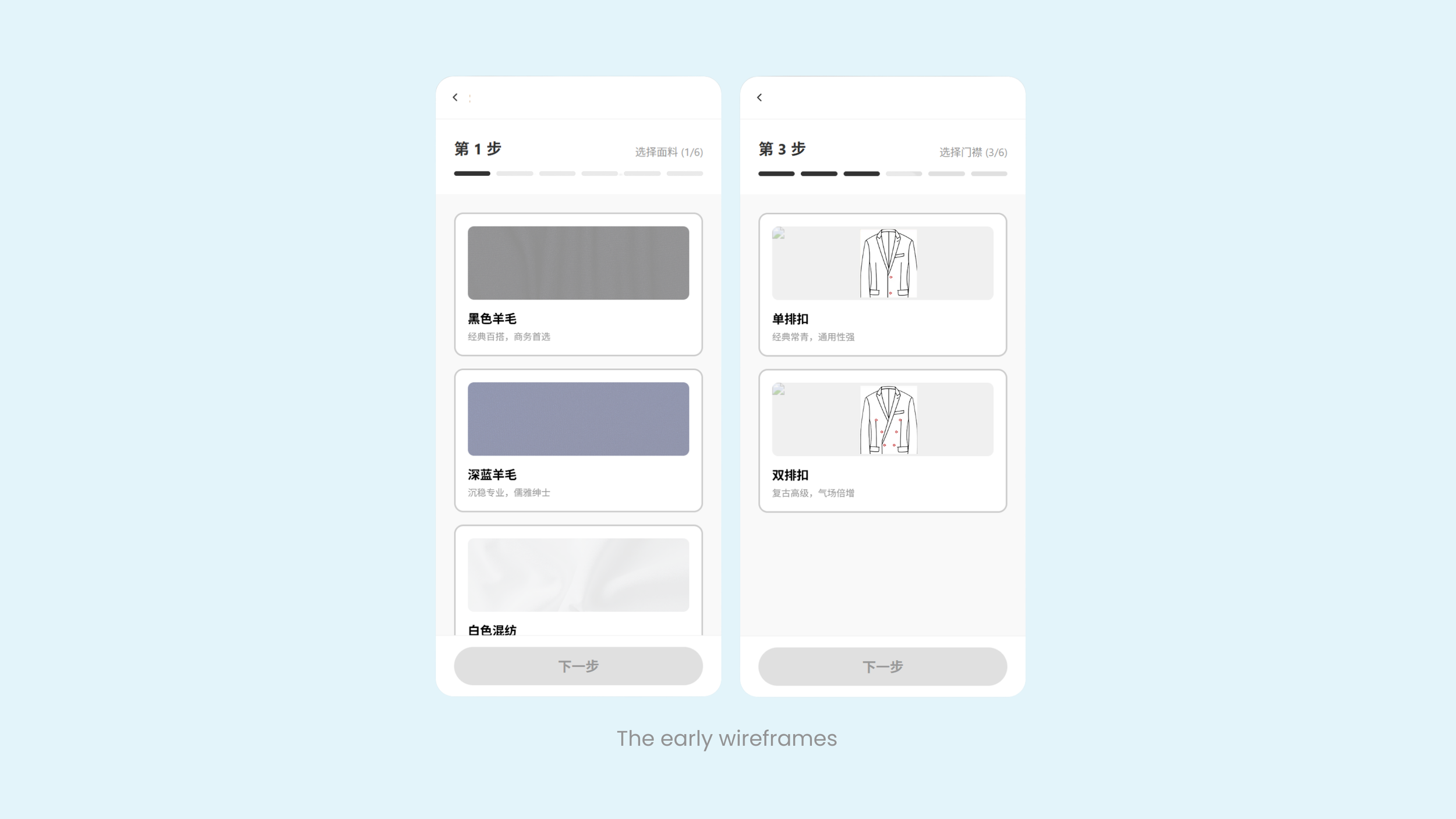
However, It didn't work. Our analytics showed a disheartening 40% drop-off rate mid-flow.
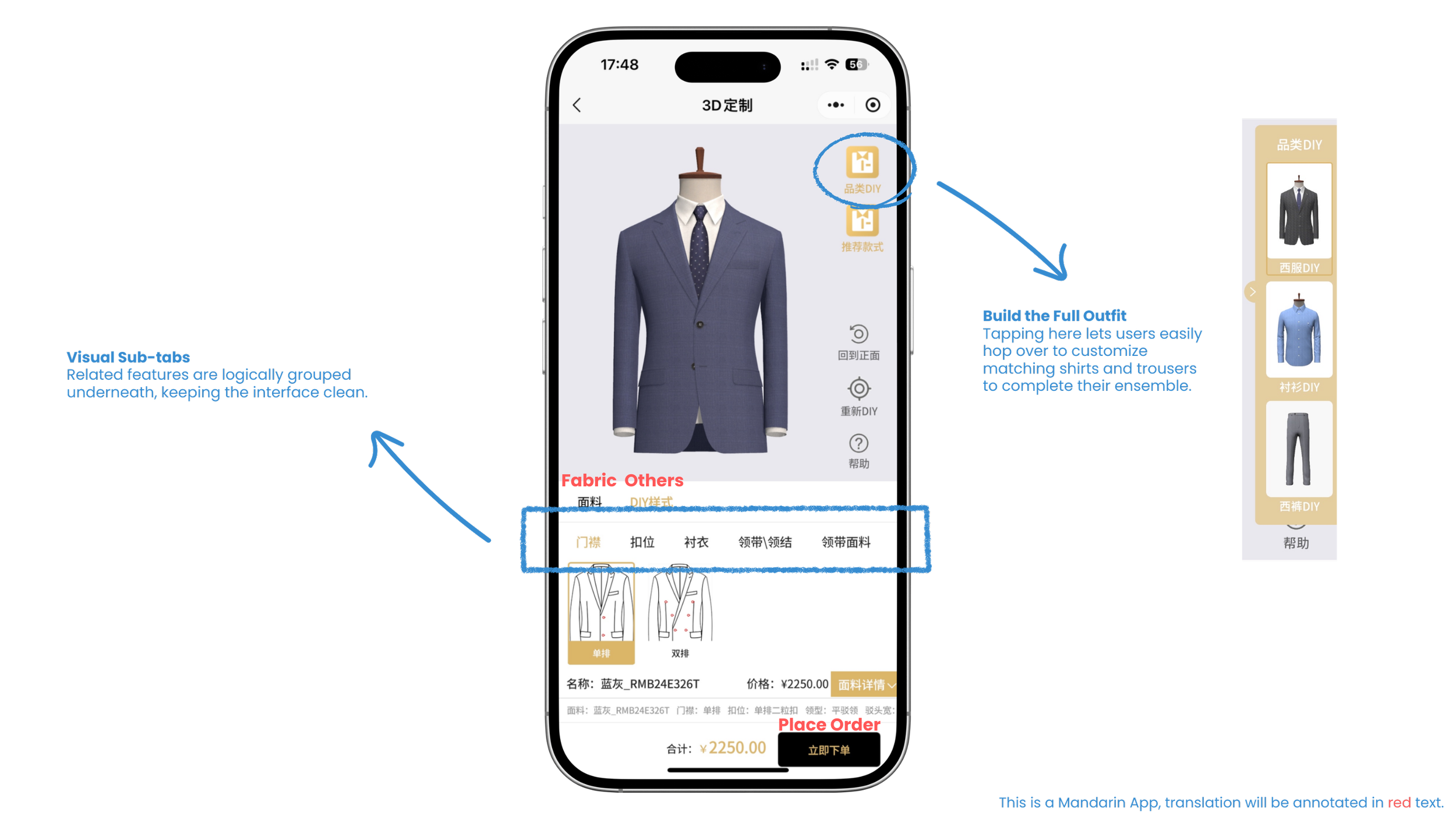
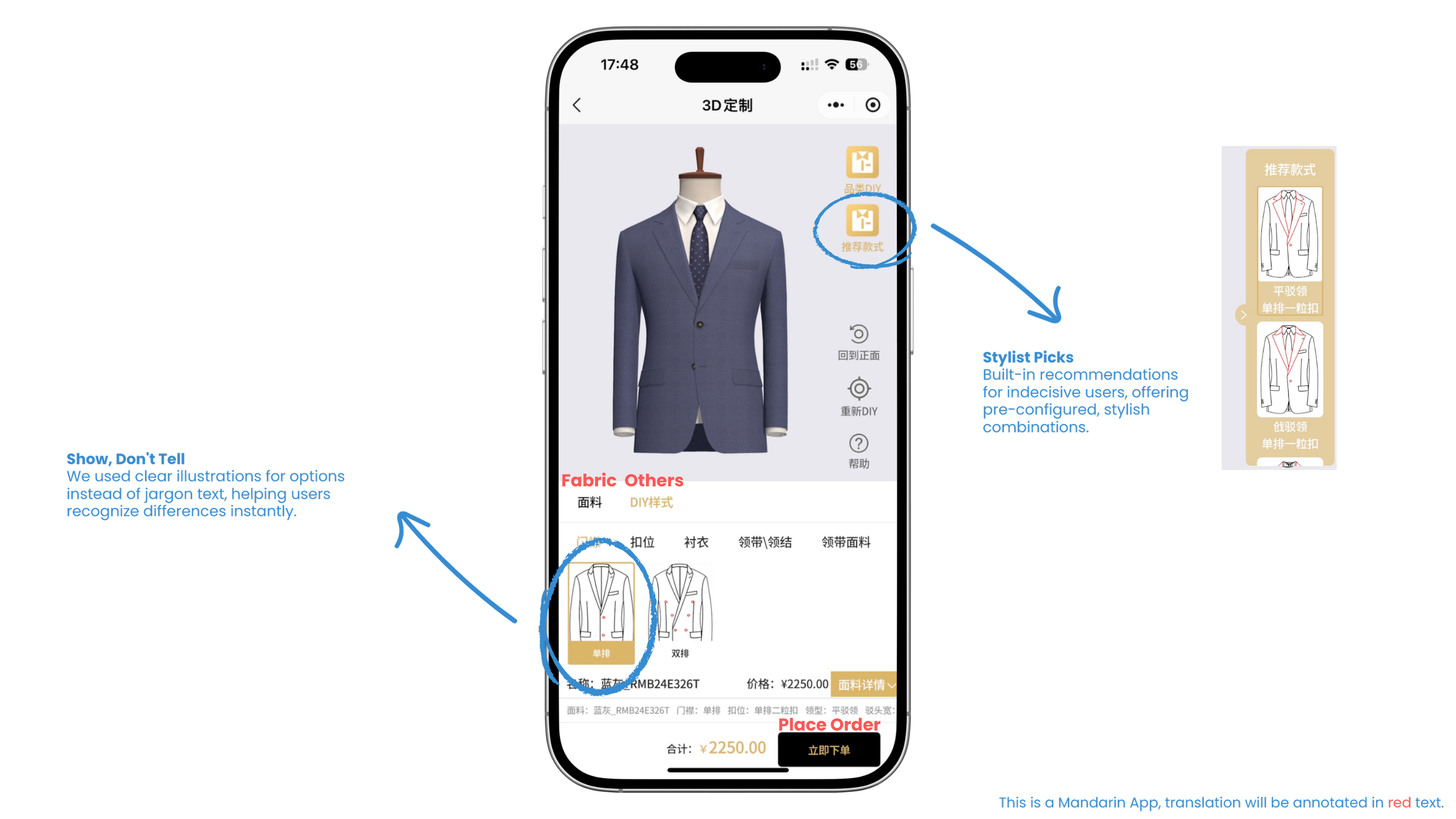
After conducting some user interviews, we realized that customizing a suit is visual and emotional. Users couldn't see how choosing a specific collar affected the whole look until the very end. They felt insecure about their choices.
We didn't need a "form filler" but a Visual Configurator.
Final Design: Bringing the Tailor's Mirror to Mobile
The Insight: Listening to the Data
The Results: Dressed for Success
The redesign was a hit. By shifting from a linear form to an interactive visual selector, we saw immediate improvements in user engagement and confidence, as the task completion rates increased by 30% compared to the initial linear version.
More importantly, we helped busy professionals stop worrying about the details and start enjoying the process of creating something uniquely theirs.
What I Learned
Simplicity beats comprehensiveness. More options don't mean better experiences, smart curation does.
Visual feedback is essential for products where aesthetics matter. Showing beats telling.
Business constraints can guide better design. Understanding supplier economics helped me make user-friendly and sustainable decisions.